
Why Am I Bleeding After My Tooth Was Removed?
QUICK SUMMARY
A little oozing for 24-48 hours after a tooth extraction is normal, especially after a more difficult or surgical removal.
Bleeding that fills the mouth, lasts more than 48 hours, or comes with faintness is a reason to call the dental office.
Certain conditions, medications (including blood thinners), and supplements can raise the risk of excessive bleeding.
Gauze pressure, and a tannic-acid tea bag if that's not enough, are the first steps to stop bleeding at home.
Worsening pain in the days after extraction, rather than bleeding, can point to dry socket instead.
Medically reviewed by Scott H. Froum, DDS
How Much Bleeding is Normal After Tooth Extraction?
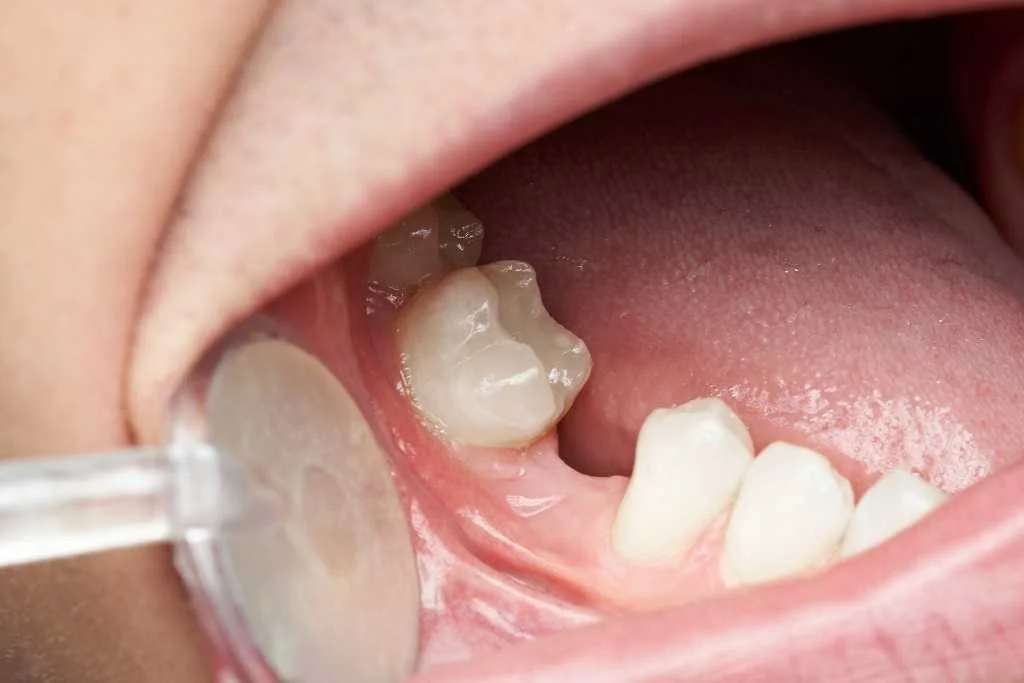
A little oozing is normal after a tooth is removed and this can happen for 24-48 hours, especially if the tooth was difficult to remove and the tooth had to be removed in pieces. Broken down teeth, broken down root canal teeth, teeth with multiple roots on them, teeth that are fused to the bone, and teeth that are underneath the gums can typically require surgery to take them out and the bleeding can be more due to the increased difficulty in tooth extraction. A call to the dentist office that performed the tooth removal should be made if the bleeding you have is filling your mouth with blood, lasts more than 48 hours (roughly 3 days) or is causing you to become faint.
Could This Be Dry Socket Instead of Normal Bleeding?
Some of the same habits that cause bleeding, like smoking, vigorous rinsing, or drinking through a straw, can also dislodge the blood clot entirely and lead to a separate complication called dry socket. Dry socket usually shows up as a throbbing pain that gets worse a few days after the extraction, sometimes with a visible empty-looking socket or a bad taste, rather than steady bleeding. If pain is increasing days after your extraction instead of improving, it is worth calling the office to check for dry socket alongside any bleeding concerns.
What Causes Excessive Bleeding After Tooth Extraction?
Certain types of medical problems can cause clotting disorders and make someone prone to bleeding issues. Diseases like Hemophilia, von Willebrand's disease, liver dysfunction, certain types of cancer, and other disorders involving the blood clotting cascade can cause someone to be more likely to bleed after tooth extraction. People on aspirin, Coumadin, Xarelto, Plavix, Savaysa, Pradaxa, and Eliquis are also more likely to bleed after tooth removal. Other medications that can cause bleeding are antidepressants, antipsychotics, corticosteroids, oral contraceptives, and tamoxifen. Supplements known to cause bleeding include garlic, ginseng, ginger, ginkgo biloba, dong quai, and feverfew. Other things that can cause bleeding after tooth removal include smoking, drinking alcohol, strenuous exercise, vigorous rinsing, and eating hard foods. For a clinical review of treatment options for post-extraction bleeding, see this analysis from the National Library of Medicine.
What Can Someone Do To Try and Stop the Bleeding After Tooth Removal?
If you are experiencing heavier than normal bleeding the first step to try and stop the bleeding is put gauze in your mouth and bite down on it for an extended period of time (20-30 minutes). If the bleeding continues, wrap a warm tea bag around gauze and bite down on it in the same fashion as the tannic acid in the tea has clotting properties. Do not smoke, drink alcohol, rinse for 24 hours after tooth removal, eat hard foods, or perform vigorous exercise to prevent the blood clot from dissolving and bleeding to occur. Bleeding can also occur the following morning after extraction as your tongue can disturb the clot and you can wake up in the morning with blood in your mouth. It is not uncommon for people who take anticoagulation medication to wake up with a jelly clot or a ‘liver clot’ in their mouth in the area of the removed tooth. This jelly clot needs to be wiped away and the whole process of biting down on gauze to stop the new bleeding will have to begin.
What Can Be Done in the Dental Office To try and Stop the Bleeding?
If the bleeding after tooth removal is uncontrolled and filling your mouth with blood or it has lasted for more than 48 hours, a return to the dental office may be advised. Procedures that can be performed are removal of the bad clot by suction and saline irrigation of the tooth extraction area. The area can be cleaned and then packed with material that help stop bleeding. The area will then be stitched in a way that can assist gum tissue closure and stop bleeding. There are also 'glue stitches' available that can further help bleeding to stop. Lasers can also be used to cauterize the area and stop the bleeding.
If your bleeding does not match the pattern described above, or you are simply not sure whether what you are experiencing is normal, request an appointment and our team can evaluate the extraction site in person. For bleeding related to a dental implant rather than a natural tooth, see our guide on bleeding around a dental implant. If your gums bleed regularly with no recent dental work involved, that usually points to a different underlying cause, and our after-care instructions cover general healing guidance for any periodontal procedure.
Frequently Asked Questions
-
A little oozing is normal after a tooth is removed and this can happen for 24–48 hours, especially if the tooth was difficult to remove and the tooth had to be taken out in pieces. Broken down teeth, failed root canal teeth, teeth with multiple roots, fused teeth, or teeth under the gums typically require surgery and may bleed more. Contact the dentist if bleeding fills your mouth, lasts more than 48 hours, or causes faintness.
-
Clotting disorders such as Hemophilia, von Willebrand’s disease, liver dysfunction, or certain cancers can increase bleeding risk. Medications including aspirin, Coumadin, Xarelto, Plavix, Savaysa, Pradaxa, and Eliquis, as well as antidepressants, antipsychotics, corticosteroids, oral contraceptives, and tamoxifen, can contribute. Supplements such as garlic, ginseng, ginger, ginkgo biloba, dong quai, and feverfew may also increase bleeding. Lifestyle factors like smoking, alcohol, strenuous exercise, vigorous rinsing, and hard foods can further worsen bleeding.
-
Bite down on gauze for 20–30 minutes. If bleeding continues, wrap a warm tea bag in gauze and bite down, as tannic acid helps clotting. Avoid smoking, alcohol, rinsing for 24 hours, hard foods, or vigorous exercise to protect the clot. Bleeding can occur the following morning if the clot is disturbed by the tongue. Patients on anticoagulants may develop a jelly-like 'liver clot' that needs to be removed before applying fresh gauze.
-
If bleeding is uncontrolled, fills the mouth, or lasts more than 48 hours, a dental visit may be necessary. Treatments include removing the clot, irrigating with saline, packing the site with hemostatic materials, stitching the gums for closure, using glue stitches, or applying lasers to cauterize the area and stop bleeding.
-
Habits like smoking, vigorous rinsing, or drinking through a straw can dislodge the blood clot and lead to a separate complication called dry socket. Dry socket usually causes throbbing pain that worsens a few days after extraction, sometimes with a visible empty socket or a bad taste, rather than steady bleeding. Increasing pain in the days after extraction is a reason to call the office to check for dry socket.

Contact Dr. Scott Froum Today
Address
1110 2nd Ave Ste 305
New York, NY 10022
Phone
Tel: 212-751-8530
Fax: 212-751-8544