
Gum Bleeding Despite Good Oral Hygiene: What Your Gums Are Really Telling You
Key Takeaways
✓ Bleeding Gums Aren't Always a Hygiene Issue: If you brush and floss regularly, persistent gum bleeding is rarely caused by leftover plaque and shouldn't be treated by brushing harder.
✓ Your Gums are an Early Warning System: Inflamed, bleeding gums can reflect systemic health issues, including cardiovascular risks, type 2 diabetes, neurodegenerative conditions, and immune dysfunction.
✓ 5 Common Non-Hygiene Causes: Persistent bleeding is often driven by fungal (Candida) overgrowth, immune inflammation, mouth breathing/dryness, microbiome dysbiosis, or nutritional deficiencies.
✓ Other Underlying Factors: Medication side effects, hormonal shifts, oral care product allergies, and conditions like oral lichen planus can also be to blame.
✓ Get a Comprehensive Evaluation: A periodontist can look beyond brushing techniques to assess your airway, nutrition, immune status, and microbiome to treat the actual root cause.
By Scott H. Froum, DDS | Periodontist & Implant Specialist | Midtown Manhattan NYC
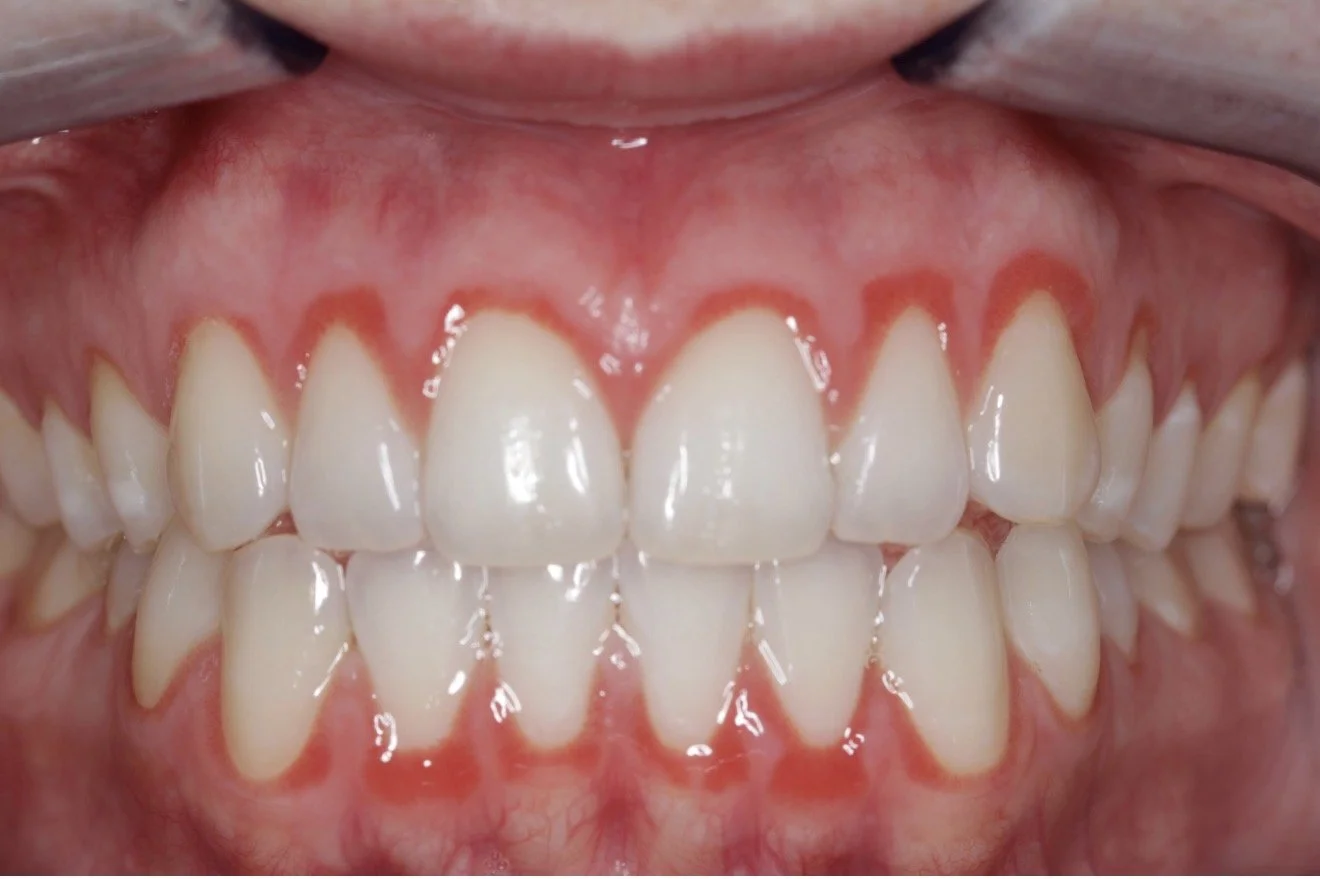
You brush twice a day. You floss. You show up for every cleaning. And your gums still bleed.
f that sounds familiar, the instinct is to brush harder or floss more aggressively. But in my Midtown Manhattan periodontal practice, persistent gum bleeding in a patient with excellent oral hygiene is rarely a hygiene problem at all. It's a signal — and often, that signal is coming from somewhere other than your mouth.
Gum tissue is thin, richly vascular, and in constant contact with your bloodstream. That makes it one of the most sensitive early-warning systems the body has. When gums bleed despite meticulous brushing and flossing, the underlying cause is frequently host-related, microbial, systemic, or immune-mediated — not simply leftover plaque.
Why "Brush Harder" Isn't the Answer
Plaque-induced gingivitis responds to better brushing. It improves within days of tightening up your routine. But when bleeding persists in a patient who is clearly doing everything right, and especially when the redness or bleeding is confined to a distinct band along the gumline rather than spread evenly, plaque control was never the real problem.
Continuing to scrub at gum tissue that's already inflamed for a non-hygiene reason can make things worse, not better. The right next step isn't a harder toothbrush. It's a proper diagnosis.
The Oral-Systemic Connection: Your Gums as an Early Warning System
This is the piece most patients and, frankly, many dental providers miss. The mouth is not a closed system. The same blood vessels that feed inflamed gum tissue circulate throughout the rest of the body, and the same inflammatory mediators driving gum bleeding can be markers of what's happening systemically.
Research has linked chronic gingival inflammation to a growing list of systemic conditions, including:
Cardiovascular disease and elevated cardiac risk markers
Type 2 diabetes and impaired blood sugar control
Alzheimer's disease and neurodegenerative risk
Bleeding gums, in other words, aren't just a dental finding. In many patients, they're one of the first visible signs of inflammation that's affecting the rest of the body — which is exactly why persistent bleeding deserves a real workup rather than a reminder to floss.
5 Reasons Your Gums Might Bleed Even With Excellent Hygiene
When a patient with meticulous home care still has bleeding gums, here are the five causes I evaluate first.
1. Fungal (Candida) Overgrowth
Candida albicans can colonize the gum line and trigger a bright, easily-bleeding band of tissue that doesn't resolve with cleanings alone.
Bleeding or redness that persists despite excellent hygiene
Little to no visible plaque
Sometimes accompanied by dry mouth, angular cheilitis, or a history of steroid or antibiotic use
2. Immune Dysfunction or Systemic Inflammation
An overactive or dysregulated immune response can cause the gums to bleed even with minimal bacterial buildup. This pattern shows up more often in patients managing autoimmune conditions, chronic stress, diabetes, or general immune dysregulation.
Minimal plaque, but significant bleeding and redness
Limited improvement from traditional cleanings alone
3. Mouth Breathing and Gingival Dryness
Constant airflow across the front teeth — from nasal congestion, allergies, a deviated septum, sleep apnea, or CPAP air leakage — dries out gum tissue. Dry, dehydrated gums become inflamed and bleed more easily, which is why this pattern often concentrates on the upper front teeth.
Bleeding and redness concentrated on the upper front teeth
Gums that feel dry, tight, or tacky, especially after waking
A history of nasal congestion, allergies, or CPAP use
4. Oral Microbiome Imbalance (Dysbiosis)
Even a meticulously clean mouth can harbor an unhealthy balance of bacteria. Frequent antiseptic mouthwash use, a high-sugar diet, antibiotics, vaping, or acid reflux can all shift the oral microbiome toward inflammatory species — meaning the fix is restoring balance, not brushing more.
Bleeding that doesn’t track with any single hygiene lapse
A recent change in mouthwash use, diet, antibiotics, or reflux symptoms
5. Nutritional Deficiencies and Lifestyle Factors
Gum tissue has one of the highest cell turnover rates in the body, and it depends on adequate nutrition to stay intact. Deficiencies in vitamin C, vitamin D, folate, B12, iron, zinc, or omega-3s — along with poor sleep, high stress, smoking, or vaping — can impair healing and keep gums bleeding despite a spotless hygiene routine.
Gums that heal slowly or bleed easily after brushing or flossing
A diet low in fresh fruits and vegetables, or ongoing high stress and poor sleep
When Bleeding Gums Signal Something Bigger
If bleeding continues even after these five areas are addressed, I also evaluate for less common but important causes, including allergic reactions to oral care ingredients, hormonal shifts, medication side effects, oral lichen planus and other mucocutaneous conditions, and — rarely — underlying blood disorders.
What to Do If Your Gums Bleed Despite Good Hygiene
First: don't assume it's your fault. Patients are often told to "floss more" for years before anyone looks past plaque for an explanation.
The right approach is a comprehensive periodontal evaluation that looks at your immune status, oral microbiome, salivary function, airway health, and nutrition — not just your brushing technique. Identifying the actual driver is what allows the bleeding to resolve for good, rather than being managed indefinitely.
Frequently Asked Questions
Is bleeding always caused by poor brushing?
No.
Bleeding gums in a patient with strong home care are more often a sign of an underlying fungal, immune, microbial, or nutritional issue than a hygiene failure.
Can bleeding gums be a sign of a broader health problem?
Yes.
Chronic gum inflammation has been linked to cardiovascular disease, diabetes, and neurodegenerative conditions like Alzheimer's disease, making it a meaningful early signal worth investigating.
When should I see a periodontist for bleeding gums?
If bleeding continues for more than a week or two despite consistent brushing and flossing, it's time for a periodontal evaluation rather than more aggressive home care.
Can treating the underlying cause stop the bleeding?
In most cases, yes. Once the true driver — whether fungal, immune, microbiome-related, or nutritional — is identified and addressed, the bleeding typically resolves.
