

Chao Pinhole® Technique in NYC
Medically Reviewed by Scott H. Froum, DDS, Board-Certified Periodontist
Dr. Froum provides periodontal treatment, dental implant care, and gum recession therapy in Midtown Manhattan. He has published on the Pinhole Surgical Technique and the use of platelet-rich fibrin in soft-tissue grafting.
Minimally Invasive Gum Recession Treatment
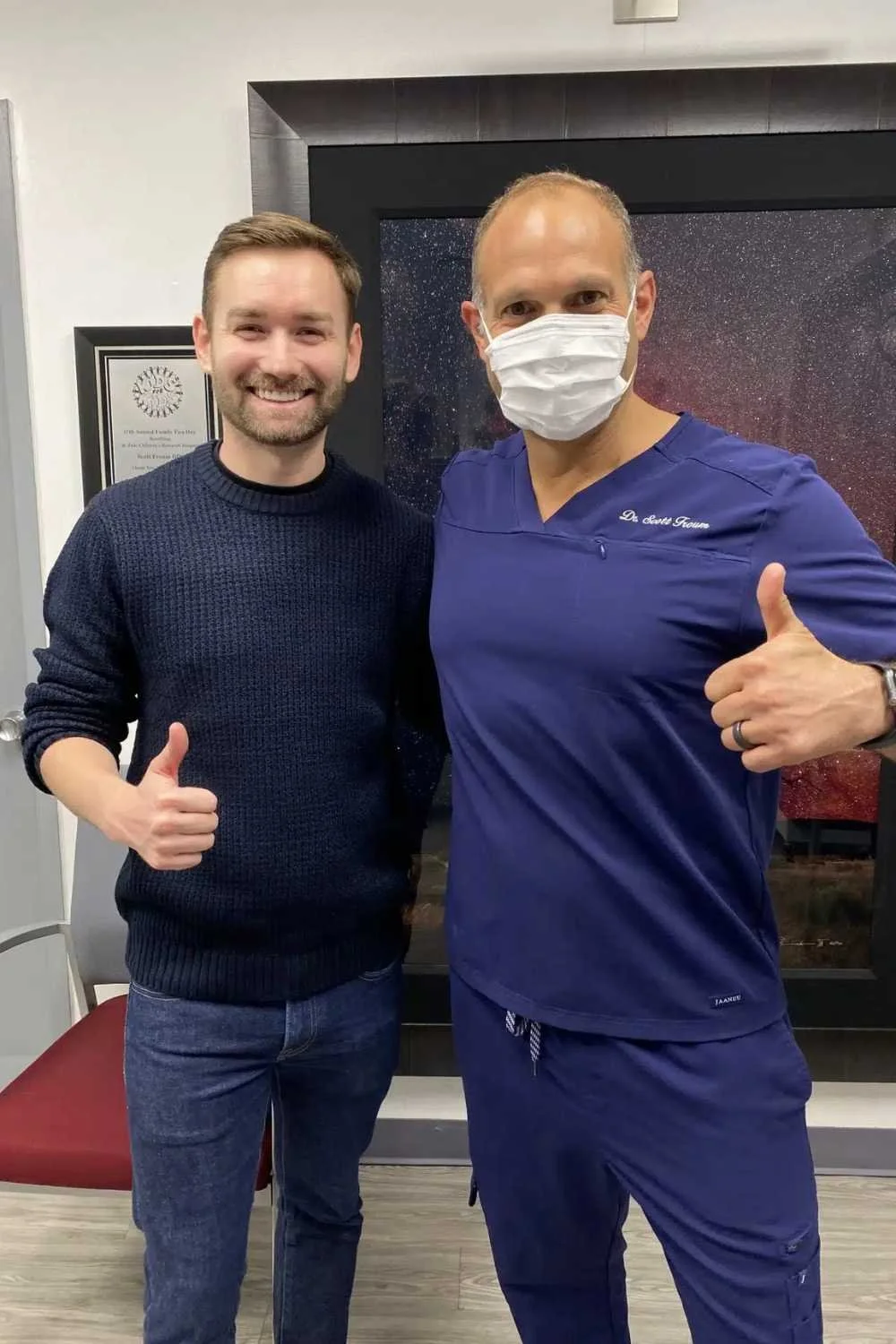
The Chao Pinhole® Surgical Technique (PST) is a comfortable, minimally-invasive, scalpel and suture-free technique for treating gum recession.
Gum recession is very common, affecting up to 84% of adults, and can result in long and ugly teeth, sensitive roots and even eventual tooth loss. Traditional methods of treatment involve removing tissue from the palate and using sutures to secure it over the exposed root surfaces. However, the Pinhole Technique offers an alternative approach by utilizing the existing gums around the teeth with recession. Through a small opening, the gum tissue is gently elevated and repositioned, while collagen is placed underneath to stabilize the new position and encourage healing. This minimally invasive method reduces discomfort, speeds up recovery, and provides excellent esthetic results Chao Pinhole® Surgical Technique may be more suitable to your needs depending on the issues present.
Contact our office today to schedule an evaluation and learn more about how we can help restore your gum health.

What Does the Research Say About PST?
Research on the Chao Pinhole Surgical Technique suggests it can improve root coverage, reduce sensitivity, and create esthetic gumline improvements, especially for mild to moderate recession. Some studies also show that adding platelet-rich fibrin may improve healing and tissue stability in selected cases. Like all periodontal procedures, results depend on diagnosis, tissue thickness, bone support, oral hygiene, smoking status, bite forces, and post-operative care.
Who May NOT Be a Good Candidate for the Chao Pinhole Technique?
PST may not be the best option for every case of gum recession. Patients may need a different approach if they have advanced bone loss, very thin gum tissue, untreated periodontal disease, poor plaque control, heavy smoking, active inflammation, unstable bite forces, or recession caused by an unresolved habit such as aggressive brushing. In advanced cases, Dr. Froum may recommend connective tissue grafting, PRF, bone grafting, periodontal therapy, or a combined approach.
Examples of How We Reverse Gum Recession
Check out these two before and after videos below on how PST was used to correct gum recession for natural teeth and implants.
Pinhole Surgery to Correct Gum Recession
Pinhole Surgery around Dental Implants to Correct Gum Recession
Chao Pinhole Technique vs. Traditional Gum Grafting
Both treatments can help correct gum recession, but they work in different ways. The best option depends on your gum thickness, recession depth, bone support, oral hygiene, bite forces, and overall periodontal health.
| Question | Chao Pinhole Technique | Traditional Gum Grafting |
|---|---|---|
| How it works | A small entry point is made in the gum tissue, and specialized instruments are used to gently reposition the gumline over exposed roots. | Gum tissue is added to areas of recession, often using tissue from the roof of the mouth or donor tissue. |
| Donor tissue from the palate? | Usually no. This is one reason many patients prefer PST when they are good candidates. | Often yes, although donor tissue may be an option in certain cases. |
| Sutures | Often minimal or none, depending on the case and the provider’s technique. | Usually required to stabilize the grafted tissue during healing. |
| Best suited for | Many mild to moderate recession cases, especially when multiple teeth need treatment and there is enough healthy gum tissue. | Thin gum tissue, more complex defects, severe recession, or cases where additional tissue thickness is needed. |
| Recovery experience | Many patients experience less post-treatment discomfort because tissue is not usually taken from the palate. | Recovery can involve soreness at both the treated area and the donor site if tissue is taken from the palate. |
| Limitations | Not ideal for every recession pattern. Results depend on tissue thickness, bone support, inflammation control, and patient compliance after treatment. | More invasive, but it may be the better option when stronger tissue support or root coverage is needed. |
| How to choose | Considered when the goal is a minimally invasive approach and the clinical conditions support predictable gum repositioning. | Considered when the gums need additional tissue thickness, the recession is more advanced, or PST is not expected to provide the most stable result. |
Frequently Asked Questions About PST
-
The Chao Pinhole Surgical Technique is a specialized, minimally invasive procedure designed to correct gum recession, a condition often caused by gum disease, orthodontic treatment, genetics, or aggressive brushing.
Key aspects of the technique include:
Minimally Invasive Correction:
Gum recession is treated by gently loosening and repositioning the surrounding gum tissue to cover exposed tooth roots.Use of Collagen or Biologic Materials:
Small strips of collagen or other biologic materials are inserted under the gums to support and stabilize the repositioned tissue, encouraging healing.Improved Protection and Esthetics:
The procedure enhances protection of the tooth roots, reduces sensitivity, and improves gum line symmetry, resulting in a healthier, more attractive smile.Patient-Friendly Alternative:
Unlike traditional gum grafting, the Chao Pinhole Technique avoids the need to harvest tissue from the palate, leading to less discomfort and a faster recovery.Long-Term Benefits:
Patients experience relief from sensitivity, prevention of future recession, and a significant boost to oral health following treatment.Ultimately, the Chao Pinhole Surgical Technique provides an effective, comfortable solution for gum recession while promoting long-term oral health and esthetic improvements.
-
The Chao Pinhole® Surgical Technique (PST) is a painless, minimally-invasive procedure that uses specialized instruments and your own gum tissue to cover your gum recession. The technique often does not require stitches and is very effective at covering teeth that have lost gum tissue, are sensitive, or appear long. Most methods of gum grafting involve removing tissue from the palate and using stitches to secure it over the area of gum recession. The Chao Pinhole® Surgical Technique uses small incisions into the gums and then places collagen into those gums to give the gums added thickness and stability. The existing gums are then gently elevated to cover the gum recession. . Because the procedure eliminates the need for a second surgical site on the palate, patients experience faster healing times, reduced discomfort, and excellent esthetic outcomes. The Chao Pinhole® Surgical Technique is highly effective for covering exposed roots, reducing sensitivity, and restoring a more natural and balanced gum line.
-
The Chao Pinhole® Surgical Technique in NYC has an average cost of $3,000 to $5,000 for a specific area of your mouth, often called a quadrant. That final cost estimate can vary depending upon how many teeth need the gum grafting treatment. During a personalized consultation, a detailed evaluation will help determine the exact treatment plan and associated costs based on each patient’s individual needs
-
PST may be worth considering if you have multiple areas of mild to moderate gum recession and want to avoid tissue removal from the palate. It may not be the best investment if your recession is advanced, if there is significant bone loss, or if untreated gum disease is still present. During the consultation, Dr. Froum will compare PST with gum grafting and explain which option is likely to provide the most stable result.
-
Long-term studies on The Chao Pinhole® Surgical Technique show that the results of the procedure can last just as long as conventional methods of gum grafting that use the gum from your palate to cover the areas of tooth recession. If post surgical instructions are carefully followed your results should last as long as other gum graft techniques. Make sure the provider performing the procedure is experienced in this specific Chao Pinhole® Surgical Technique.
-
Most patients report less discomfort with the Chao Pinhole® Surgical Technique than with traditional gum grafting because tissue is not removed from the roof of the mouth. In fact, some patients say that it’s painless. The area is numbed during treatment, and mild soreness, swelling, or tenderness can occur afterward. Dr. Froum will review pain control, diet, brushing restrictions, and follow-up care before treatment.
-
The best treatment for receding gums depends on why the recession happened and how advanced it is. Mild cases may be managed with hygiene changes, bite adjustment, desensitizing treatment, or monitoring. More advanced recession may require PST, connective tissue grafting, PRF, or another periodontal procedure.
-
Any patient with good general health, is not a heavy smoker, and able to follow post-operative care instructions after their gum graft treatment is a candidate for The Chao Pinhole® Surgical Technique. In more severe and complicated cases of gum recession, additional use of growth factors and Platelet Rich Fibrin (PRF) may be recommended to increase the success of the procedure.
-
After undergoing pinhole gum surgery, you are going to be asked to follow a soft food diet for several weeks to protect the surgical area and promote healing. While the procedure is not painful, you will often be given over-the-counter pain medication. You will also be asked to keep your mouth clean with a soft post-surgical brush and a medicated mouth rinse. Depending on the extent of the treatment, you will be asked to ice your face to control potential swelling, and in some cases, you may be given anti-inflammatory medication to support a smoother recovery. Following these post-operative care instructions carefully is key to achieving the best possible healing outcomes.
-
In general, receded gums usually do not grow back on their own unless the recession is a result of trauma and the gums are temporarily removed. If the gums have receded because of gingivitis and plaque build-up, professional cleaning may help the gums become tighter and they could potentially grow back. When gum recession becomes more advanced, typically due to periodontal disease, orthodontic treatment, aggressive brushing, smoking, or genetic factors, natural regrowth is no longer possible. In these situations, surgical intervention is usually required to restore the gum line and protect the teeth. Treatment options such as soft tissue grafting or the Chao Pinhole® Surgical Technique are highly effective methods for correcting advanced gum recession and promoting long-term oral health.
-
You can rebuild your gums naturally by taking good care of them and getting professional cleanings to avoid inflammation due to bacteria. Good hygiene at home and avoiding smoking also can help. These preventive measures help maintain healthy gum tissue and reduce the risk of recession caused by bacterial buildup. However, when gum tissue has been lost over time, natural regrowth typically cannot occur on its own. In such cases, gum tissue grafting becomes necessary to restore the gum line.. Gum grafting can be enhanced by using growth factors from the patient’s own blood, such as platelet-rich fibrin, which is inserted into the gums to stimulate natural healing and tissue regeneration. This approach offers a biologically based, natural method to rebuild and strengthen gum tissue.