

Crown Lengthening in Midtown NYC
Show Off Your Smile With Crown Lengthening
Crown lengthening is a precise surgical procedure that reshapes and removes excess gum tissue to expose more of the natural tooth structure. This treatment can be done for cosmetic purposes in the case of a gummy smile correction. For functional purposes, crown lengthening is done to prepare the tooth for a crown when there’s not enough tooth material visible above the gum line. The procedure is typically done under local anesthesia and, in many cases, with the use of a dental laser for comfort and faster recovery. You can read about crown lengthening aftercare instructions here.
Dr. Scott H. Froum provides expert crown lengthening procedures to patients in Midtown Manhattan and throughout New York City. Call 212-751-8530 today to learn more and schedule an appointment.

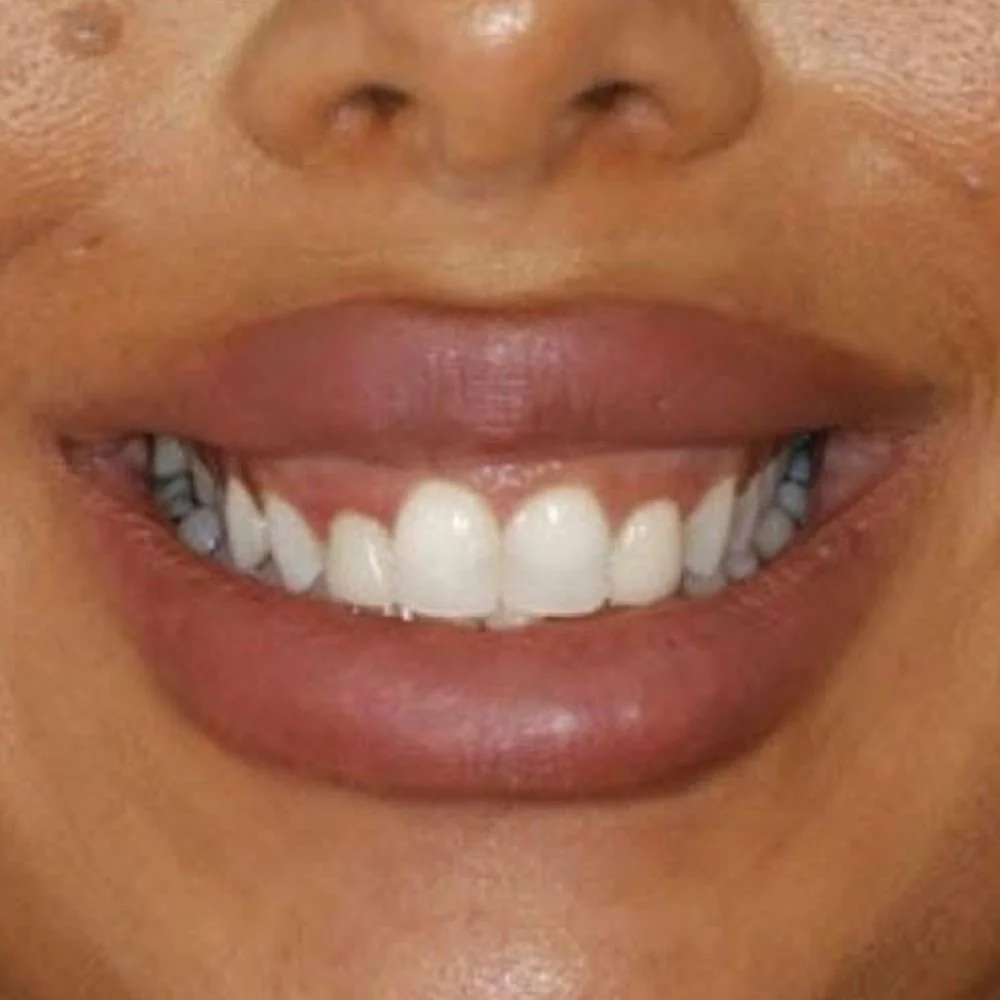
Smile improved with crown lengthening.


Patient underwent smile makeover that included crown lengthening.
Two Reasons Why Crown Lengthening Is Done
Crown lengthening is one procedure with two very different purposes, and which one applies to you changes the plan, the cost, and whether insurance is likely to help.
Functional Crown Lengthening, To Save a Tooth
When a tooth breaks at the gum line or decays below it, there may not be enough structure left above the gum for a crown to grip. Functional crown lengthening exposes more of the natural tooth so a crown or bridge can seat securely, which often means the tooth can be restored instead of extracted.
Esthetic Crown Lengthening, To Balance a Gummy Smile
When excess gum tissue covers too much of the teeth, they can look short or uneven. Esthetic crown lengthening reshapes the gum line, and in most cases a small amount of bone underneath, to create a more even tooth-to-gum proportion.
This differs from a gingivectomy, which removes gum tissue only. Reshaping the bone underneath is what makes the result stable rather than temporary. If your main concern is the amount of gum showing when you smile, our gummy smile correction page covers the full range of options, including lip repositioning.
Crown Lengthening Before and After: Real Patient Cases
Every case below was treated in our Midtown Manhattan office. Results vary from patient to patient depending on gum and bone anatomy, how many teeth are involved, and healing response.
Patient looking to improve their smile was treated with crown lengthening by Dr. Scott Froum in NYC.
This patient before and after video example had a gummy smile that was also treated by Dr. Scott Froum.
What Recovery Involves
Most patients manage discomfort with over-the-counter pain relievers once the local anesthesia wears off. Soft foods and avoiding the treated area when brushing are typical for the first several days. Mild swelling is common early on, and sutures, when used, usually come out within one to two weeks. Soft tissue continues to settle for several weeks after the initial discomfort passes.
Because this procedure is performed with a dental laser, there is generally less bleeding during treatment than with a scalpel technique. Your specific recovery depends on how many teeth were treated and whether bone was reshaped.
View Dr. Froum’s full crown lengthening aftercare instructions.
Benefits of Crown Lengthening
Crown lengthening offers various benefits that can improve both your smile and your overall oral health:
Even Out an Uneven Gum Line
If you feel that your teeth look short, have excessive gum, or uneven gum tissue, crown lengthening can correct a gummy smile by removing excess tissue and creating a more balanced, natural smile.
Save a Damaged Tooth or Decayed Tooth
When a tooth is broken or has decayed below the gum line, there may not be enough structure exposed to support a dental crown. However, crown lengthening can be used to expose more of the natural tooth to make a crown fit, helping you avoid tooth extraction.
Reduce Your Risk of Gum Disease
Excess gum tissue around the teeth can create deep pockets where bacteria accumulate, increasing your risk of gum inflammation and periodontal disease. Removing this tissue with laser crown lengthening makes it easier to keep the area clean, especially when combined with daily brushing and water flossing. If bleeding gums persist, crown lengthening may be a key step in improving long-term gum health.
The before and after video shows a patient with bleeding crowns who was provided crown lengthening by Dr. Scott Froum in midtown.
How Much Does Crown Lengthening Cost in NYC?
Cost depends on how many teeth are treated, whether bone reshaping or gum reshaping is needed, and whether the procedure is functional or cosmetic. Functional crown lengthening performed to support a crown is more often covered in part by dental insurance than a procedure done purely for appearance. Our office will review your plan and give you a written estimate before you commit to treatment. It is not uncommon for a crown lengthening procedure to cost anywhere from $1,000 to $4,000. The average cost typically being somewhere in between that range.
Why Choose Dr. Froum for Crown Lengthening?
Dr. Froum is a nationally recognized leader in periodontal care, known for his expertise in crown lengthening and using the latest technology in all dental procedures.
He lectures around the country on the advanced crown lengthening technique and in his office incorporates the latest dental laser technology for crown lengthening. Using a dental laser allows for the precise removal of excess gum tissue with less discomfort and bleeding. Laser dentistry is less invasive and may require less anesthesia than traditional methods.
Whether you’re considering crown lengthening for cosmetic reasons or to support a dental crown, Dr. Froum’s combination of skill, technology, and compassionate care ensures exceptional results and a more comfortable experience.
Frequently Asked Questions
-
You may be a good candidate for crown lengthening if you’re unhappy with your smile due to the excess or uneven gum tissue, often referred to as a “gummy smile.” Crown lengthening can help reshape your gum line to create a more natural, symmetrical looking smile.
If you have a tooth that needs a dental crown, crown lengthening can prepare the tooth to make room for it. By exposing more of the natural tooth, the procedure helps ensure the crown fits securely and functions properly.
If you’re dealing with recurrent gum inflammation or bleeding that hasn’t responded to standard treatments, excess gum tissue may be contributing to the issue. In these cases, crown lengthening can remove the tissue and reduce the risk of further periodontal problems.
Not sure if crown lengthening is right for you? Dr. Scott Froum and his team would be happy to evaluate your needs and determine whether this treatment is the best option for your smile.
-
Possibly. Tooth sensitivity is a common side effect following crown lengthening. The sensitivity may be more noticeable in the first few days or weeks after the procedure, especially when consuming hot or cold foods. This typically improves over time. Once your dentist clears you to resume brushing, using a toothpaste for sensitive teeth can help reduce discomfort and promote healing.
-
Yes. Dental lasers are a safe, FDA-approved technology used to perform a variety of dental procedures, including gum disease treatment and crown lengthening. In fact, lasers are often safer and more precise than other tools because they are less invasive and more easily controlled. When used by a trained specialist like Dr. Froum, laser dentistry is both effective and highly predictable.
-
Insurance coverage for crown lengthening depends on the reason for the procedure and the type of insurance you have. If it’s done for medical or functional purposes—such as to place a crown on a tooth that’s broken or decayed—many dental insurance plans may cover part of the cost. However, procedures done solely for cosmetic reasons may not be covered. The office of Dr. Scott Froum will try to maximize your insurance benefits if you have a plan that covers crown lengthening.
-
Most patients return to normal activities within a day or a few days. Gum tissue generally takes several weeks to heal fully. Recovery time depends on how many teeth were treated and whether bone was reshaped along with the gum tissue.
-
When bone is reshaped as part of the procedure, the new gum position is generally stable. When only soft tissue is removed and the underlying bone is left alone, tissue is more likely to creep back over time. This is one of the main reasons the bone-level assessment matters during planning.
-
The procedure itself is done under local anesthesia, so you should not feel pain during treatment. Mild to moderate soreness afterward is normal once the anesthesia wears off and is usually manageable with over-the-counter pain relievers.
Related Services
To find out if crown lengthening is right for you, call our office at 212-751-8530 or contact us online to schedule your personalized consultation.