
Gum Disease is Linked to Gut Inflammation
Key Takeaways
✓ The oral-gut axis: Mouth and gut bacteria constantly travel to each other; chronic gum pathogens seed gut dysbiosis, which then feeds inflammation right back to your mouth.
✓ Leaky gut drives relapses: Oral bacteria degrade the gut lining, letting toxins enter the bloodstream (metabolic endotoxemia) and reigniting gum inflammation from within.
✓ Mouth-only care has limits: If scaling, lasers, or surgery haven't fixed your periodontitis, the real culprit is likely systemic inflammation, not a lack of flossing.
✓Targeted root-cause testing: Effective evaluation uses oral DNA swabs, stool panels (Gut Zoomer), adrenal/hormone tests (DUTCH), inflammatory blood markers, and nutritional screens.
✓ Whole-body treatment: Lasting recovery comes from pairing traditional periodontal procedures with gut healing, hormone balancing, and nutrient optimization.
Your Mouth May Not Be The Problem
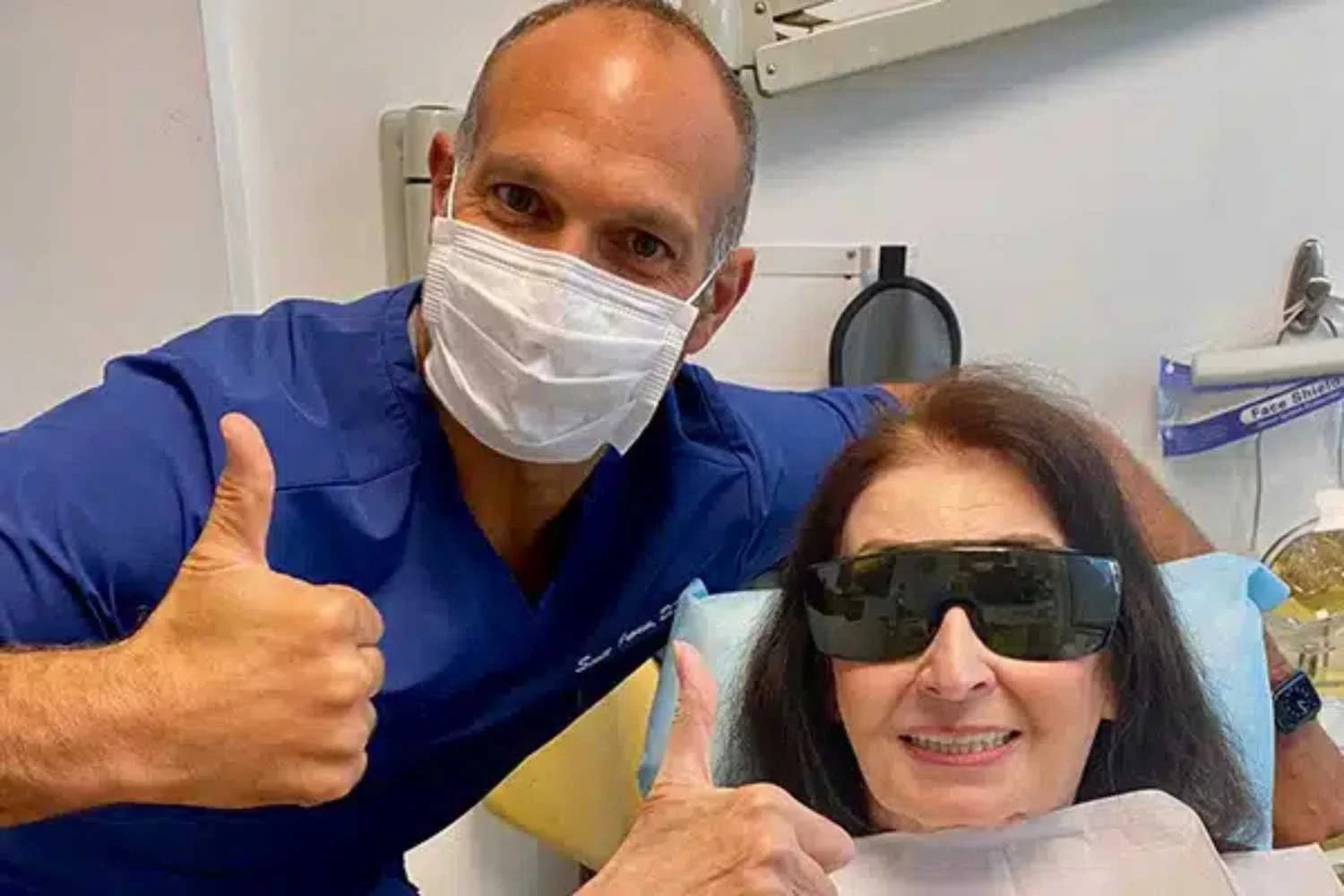
If you're reading this, there's a good chance you've already done everything a periodontist would normally ask of you. You've had scaling and root planing. Maybe laser therapy, maybe surgery. You floss, you use the water flosser, you show up for your three-month maintenance visits. And yet the pockets keep coming back, the bleeding never fully resolves, or bone loss keeps progressing on your X-rays. If that's you, I want you to know two things: first, this is not a failure of your effort or your hygiene. Second, in my experience, the mouth is very often not where the real problem lives.
As both a periodontist and a naturopathic doctor, I look at gum disease differently than most specialists. Periodontitis is a local infection, yes, but it is also one of the clearest windows we have into what's happening in the rest of the body. And one of the most important, least discussed relationships in that picture is the one between your gums and your gut.
The Oral-Gut Axis: One Microbiome, Two Addresses
Your mouth and your gut are not separate ecosystems. They're connected by a single tube, and the bacteria in one compartment constantly seed the other. Every time you swallow, and you swallow roughly 1,500 to 2,000 times a day, oral bacteria travel south into the gastrointestinal tract. In a healthy person, stomach acid and a well-regulated gut microbiome keep those bacteria in check. But in periodontal disease, the mouth is producing an enormous, constant bacterial load, dominated by aggressive pathogens like Porphyromonas gingivalis, Fusobacterium nucleatum, and Treponema denticola. Swallow that load day after day, year after year, and you are effectively reseeding your gut with the same organisms driving inflammation in your gums.
This isn't a fringe idea anymore. A 2018 study published in the Journal of Oral Microbiology by Lourenço and colleagues directly compared the gut microbiota of people with periodontal disease to those with healthy gums, and found measurable, distinct differences in gut bacterial composition associated with periodontal status (Lourenço et al., Journal of Oral Microbiology, 2018). Earlier foundational work by Zenobia and Darveau, published in Cell Host & Microbe, laid out how the oral microbiota itself shifts the balance between periodontal health and disease — establishing the oral cavity as its own dysbiotic ecosystem capable of influencing disease far beyond the socket (Zenobia & Darveau, Cell Host & Microbe, 2011).
Put simply: dysbiosis in the mouth promotes dysbiosis in the gut, and dysbiosis in the gut promotes inflammation that circulates right back to the mouth. It runs both directions.
Leaky Gut: Where the Inflammation Becomes Systemic
Here's the piece that most patients have never heard from a dental provider. A gut that's been chronically exposed to periodontal pathogens can develop increased intestinal permeability, what's commonly called "leaky gut." Oral pathogens have been shown to degrade the tight junction proteins that hold intestinal cells together. Once that barrier is compromised, bacterial fragments like lipopolysaccharide (LPS) leak out of the gut and into the bloodstream. This is called metabolic endotoxemia, and it's a well-documented driver of low-grade, chronic systemic inflammation.
That circulating inflammation doesn't stay contained to the gut. It elevates inflammatory markers throughout the body, disrupts immune regulation, and, critically for the patients I treat, keeps feeding inflammation back into periodontal tissue. So even when we've mechanically cleaned out every pocket in your mouth, if the gut is still leaking endotoxin into circulation, we are fighting an inflammatory fire that's being fed from below the diaphragm. That's often the missing piece in cases of refractory or recurring periodontal disease.
Why Treating the Mouth Alone Isn't Enough
This is the core philosophy in my practice: periodontal disease is frequently a local symptom of a systemic, whole-body inflammatory process, not just a dental problem. If we only treat the pocket, we're managing the symptom. If a patient's gut is dysbiotic, their intestinal barrier is compromised, their hormones are dysregulated, or they're nutritionally depleted, the mouth will keep losing the battle no matter how meticulous the periodontal therapy is.
So in my office, when a patient has failed conventional therapy, or when the disease pattern doesn't add up with what I see clinically, we go looking for root cause. That means testing beyond the mouth.
What We Actually Test
Oral bacterial DNA testing
We still start in the mouth, using salivary DNA diagnostics to identify and quantify the specific pathogenic bacteria present in your periodontal pockets. This tells us exactly which organisms we're dealing with and how aggressive the local infection is — the traditional starting point.
Gut Zoomer (Vibrant Wellness)
This is a comprehensive stool-based panel that maps the composition of your gut microbiome — beneficial bacteria, opportunistic pathogens, fungi, and parasites — along with functional markers like zonulin (a direct marker of intestinal permeability, i.e., leaky gut), short-chain fatty acid production, and markers of gut inflammation. If a patient's periodontal disease keeps relapsing, this test often shows us a gut environment that's actively working against the healing we're trying to achieve in the mouth.
DUTCH Test (Dried Urine Test for Comprehensive Hormones)
Cortisol and the broader hormone picture matter more to periodontal outcomes than most patients realize. Chronic stress and dysregulated cortisol rhythms suppress immune function, raise blood sugar, and have been directly correlated with more severe periodontal breakdown. The DUTCH test gives us a detailed picture of adrenal function, cortisol patterns throughout the day, and sex hormone metabolites, all of which influence how well your immune system can actually resolve gum inflammation.
Systemic Inflammatory Blood Markers
We look at markers like high-sensitivity CRP (hs-CRP), ESR (erythrocyte sedimentation rate, GAL-3 (galectin 3), and homocysteine, all of which are elevated in chronic periodontitis and reflect the level of inflammation circulating throughout your body, not just in your gums. Research has shown these markers drop when periodontal inflammation is successfully controlled, which makes them a useful way to track whether our combined treatment approach is actually working systemically, not just cosmetically in the mouth.
Nutritional Deficiency Panels
Periodontal tissue repair and immune regulation are nutrient-dependent processes. We routinely check vitamin D, B12, folate, zinc, magnesium, and omega-3 index. Deficiencies in any of these are common, often silent, and can quietly undermine healing even after perfect periodontal technique. Vitamin D and omega-3 fatty acids in particular have documented anti-inflammatory roles in periodontal tissue, and zinc deficiency directly impairs the bone and connective tissue regeneration we're trying to achieve after therapy.
Putting It Together
When these results come back, we're not just treating a number on a lab report. We're building a picture of why your body has struggled to heal, and using that picture to design a plan that addresses the gut dysbiosis, calms systemic inflammation, corrects nutritional gaps, and supports healthy hormone regulation, alongside the periodontal therapy itself. For patients who have already done "everything right" and still aren't seeing the results they were promised, this root-cause approach is often the missing link.
Gum disease rarely exists in isolation, and neither does chronic bad breath, which can trace back to the same gut and systemic factors.
References
Lourenço, Talita Gomes Baeta, et al. "Defining the Gut Microbiota in Individuals with Periodontal Diseases: An Exploratory Study." Journal of Oral Microbiology 10, no. 1 (January 2018): 1487741.
Zenobia, Camille, and Richard P. Darveau. "The Relationship of the Oral Microbiota to Periodontal Health and Disease." Cell Host & Microbe, Elsevier BV, 2011.
Dosseva-Panova, Velitchka et al. “Salivary Cortisol and Periodontitis Severity: A Cross-Sectional Biomarker-Based Assessment of Stress and Inflammation.” Medical sciences (Basel, Switzerland) vol. 13,3 120. 8 Aug. 2025, doi:10.3390/medsci13030120
