
Bad Breath From Your Gut: Signs, Causes, and What to Do About It

Quick Summary & Action Plan
Can bad breath come from your gut? While digestive conditions like acid reflux can contribute, most persistent halitosis originates in the mouth. Following an oral-first decision pathway is the fastest way to find lasting relief.
Check Oral Causes
- Heavy tongue coating & gum pockets
- Cavities, food traps, or dry mouth
- Volatile sulfur compound emissions
Periodontal Exam
- Rule out hidden periodontitis
- Clinical breath & tissue evaluation
- Address areas mouthwash can't reach
ENT or GI Evaluation
- Check sinuses or tonsil stones
- Evaluate GERD, H. pylori, or SIBO
- Address systemic reflux patterns
Bleeding gums, deep periodontal pockets, persistent back-of-tongue coating, food traps, or chronic dry mouth.
Acid reflux, sour regurgitation after eating, persistent bloating, early fullness, or upper abdominal pain.
Yes, bad breath can sometimes be associated with a digestive problem, particularly acid reflux. But most persistent bad breath, also called halitosis, begins in the mouth. Bacteria on the tongue, periodontal disease, dry mouth, and problems around dental restorations are more common explanations than a stomach condition.
If you have been brushing, flossing, and using mouthwash without improvement, the answer is not necessarily another product or a gut cleanse. A focused examination can help identify whether the odor is coming from your mouth or whether symptoms point toward your sinuses, throat, or digestive tract. For people in Midtown Manhattan and the surrounding New York City area, that distinction is the starting point for choosing the right care.
Can Bad Breath Really Come From Your Stomach?

The stomach does not continuously release odors into your mouth. In normal digestion, the esophagus and its sphincters help keep stomach contents where they belong. That is one reason a direct stomach origin is less common than people assume.
There are exceptions. With gastroesophageal reflux disease (GERD), stomach contents can travel backward into the esophagus and sometimes reach the throat or mouth. This may cause a sour taste, regurgitation, or an unpleasant breath odor. Other medical conditions can affect breath indirectly, but a change in smell by itself cannot identify a digestive diagnosis.
As the Mayo Clinic explains, most bad breath starts in the mouth, although reflux and other health conditions can contribute. An oral evaluation is therefore useful even when you suspect the gut.
Is Your Bad Breath Coming From Your Mouth or Your Gut?
Symptoms provide clues, not a definitive home test. It is also possible to have both periodontal disease and digestive symptoms at the same time.
Symptom Checker: Mouth vs. Gut
Use these clinical indicators to determine whether your symptoms lean toward an oral or digestive origin.
Clues Pointing to an Oral Cause
- Bleeding Gums & Deep Pockets: Sign of hidden periodontal bacteria below the gumline.
- Persistent Tongue Coating: Buildup on the back third of the tongue producing volatile sulfur compounds.
- Dry Mouth or Food Traps: Insufficient saliva or poorly fitting dental work/cavities trapping debris.
Clues Suggesting a Digestive Look
- Acid Reflux & Regurgitation: GERD symptoms, sour taste after meals, or heartburn when lying down.
- Upper Stomach Distress: Persistent nausea, early fullness, or stomach pain (potential H. pylori).
- Severe Bloating & Gas: Significant bowel pattern changes or SIBO-related intestinal symptoms.
Clues That Point Toward an Oral Cause
Bleeding gums, a persistent coating on the tongue, dry mouth, cavities, food traps, and poorly fitting dental work all deserve attention. Bacteria in these areas can produce volatile sulfur compounds, which are a common source of noticeable breath odor.
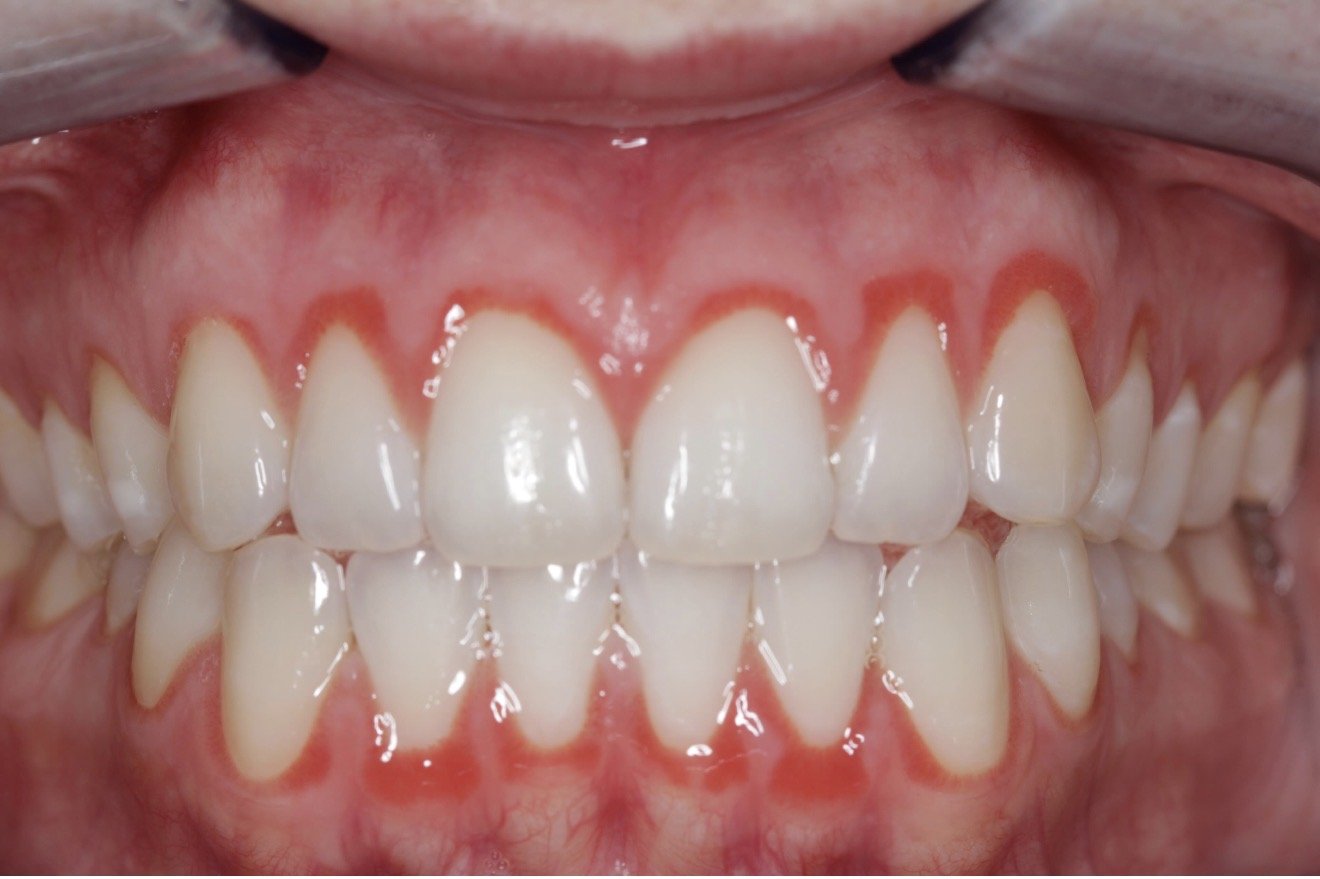
Gum disease is particularly easy to miss when there is little discomfort. Deep periodontal pockets can harbor bacteria below the gumline even when someone brushes carefully. If your gums bleed when you clean between your teeth, read our guide to why gums bleed and arrange a dental evaluation.
Clues That Make a Digestive Evaluation Reasonable
Recurring heartburn, acid regurgitation, a sour taste after meals, upper abdominal discomfort, persistent nausea, or significant bloating may make a medical assessment worthwhile, especially if no clear oral source is identified. Symptoms that occur after eating or when lying down can be helpful details to share with a clinician.
None of those symptoms proves the odor is coming from the gut. Conversely, someone can have reflux without classic heartburn. A medical history and examination matter more than trying to identify the source from the odor alone.
Do Not Overlook the Nose and Throat
Tonsil stones, chronic nasal or sinus problems, and postnasal drainage can also contribute to unpleasant breath. If an oral examination is unrevealing and nasal or throat symptoms are prominent, an ear, nose, and throat (ENT) evaluation may be more useful than gastrointestinal testing.
Which Digestive Conditions May Be Linked to Bad Breath?
Acid Reflux and GERD
GERD is one of the clearest digestive conditions to consider when breath odor appears alongside regurgitation, a sour taste, or heartburn. Refluxed stomach contents may reach the throat or mouth, but not every person with GERD develops halitosis.
The National Institute of Diabetes and Digestive and Kidney Diseases explains how GERD develops and when medical care is appropriate. For a closer look at this specific connection, see our article on GERD and halitosis.
Helicobacter pylori (H. pylori)
H. pylori is a bacterium associated with gastritis and peptic ulcers. Some studies have found an association between H. pylori infection and halitosis, but an association does not mean that every person with bad breath has the infection, or that testing is appropriate based on odor alone.
If you also have persistent upper abdominal pain, early fullness, nausea, or a history of ulcers, speak with your physician about whether testing is indicated. The NIDDK's peptic ulcer information explains the condition and its evaluation. Treatment decisions for H. pylori belong with a qualified medical clinician.
SIBO and Other Intestinal Symptoms
Small intestinal bacterial overgrowth (SIBO) can cause bloating, abdominal discomfort, gas, and changes in bowel habits. A direct link between SIBO and ordinary chronic breath odor is less well established, so halitosis alone should not be treated as evidence of SIBO.
If a gastroenterologist suspects SIBO, they may recommend a specialized breath test. That test measures gases associated with intestinal fermentation; it is not the same as evaluating the smell of someone's breath. The American College of Gastroenterology's SIBO guide explains its symptoms and testing.
Other digestive conditions can cause symptoms that deserve medical attention, but having irritable bowel syndrome, celiac disease, or inflammatory bowel disease does not automatically explain chronic bad breath.
Why Mouthwash or Gut Supplements May Not Fix Persistent Halitosis
Mints and many mouthwashes can temporarily cover an odor. Some dentist-recommended rinses may help when oral bacteria are contributing, but neither approach replaces treatment for gum disease, decay, or dry mouth. Similarly, taking probiotics or digestive supplements without a diagnosis may not address the actual source.
If you already clean your teeth and tongue carefully, repeating the same hygiene advice is not a complete treatment plan. Persistent symptoms call for a clinical assessment, not a longer list of products to buy.
How a Periodontist Evaluates Chronic Bad Breath
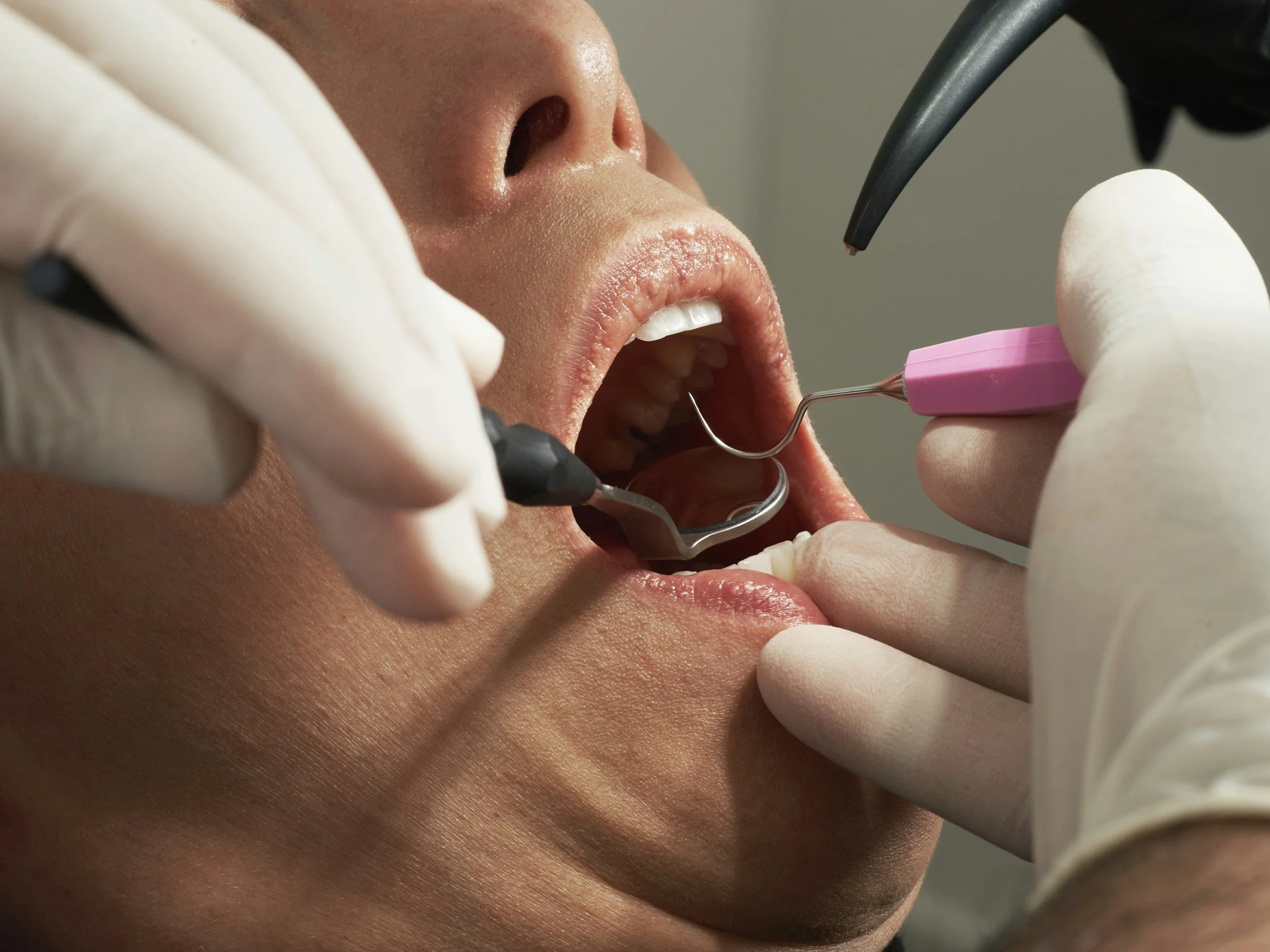
A thoughtful evaluation starts with your symptoms, medical history, medications, and oral health. A dentist or periodontist may check for tongue coating, dry mouth, decay, trapped food, and periodontal pockets. Breath analysis or oral bacterial testing may be appropriate in selected cases, but results need to be interpreted alongside the examination.
If a dental cause is identified, treatment can be tailored to it. This might include periodontal therapy, professional cleaning, guidance for dry mouth, or correcting a dental problem. If the oral examination does not explain the odor, the next step may be a referral to primary care, an ENT specialist, or a gastroenterologist, depending on your symptoms.
Patients with trouble swallowing, unexplained weight loss, persistent vomiting, or signs of gastrointestinal bleeding should seek prompt medical care rather than attributing those symptoms to bad breath.
Bad Breath Evaluation in Midtown Manhattan, NYC
At Dr. Scott Froum's Midtown East practice, the goal is to understand why bad breath persists, not simply mask the odor. Dr. Froum is a board-certified periodontist who evaluates periodontal health and other potential oral contributors to halitosis. Learn more about the practice's bad breath treatment services in NYC.
If you have tried routine oral care without lasting results, a periodontal evaluation can help clarify whether a treatable oral condition is present and whether follow-up with another healthcare professional makes sense. To take the next step, request an appointment with Dr. Scott Froum at 1110 Second Avenue, Suite 305, New York, NY 10022.
Stop guessing. Get a real diagnosis and plan.
If you’ve tried “everything” and the odor keeps returning, a periodontal evaluation can identify common oral drivers and clarify when ENT/GI referral is the right next step.
Frequently Asked Questions
What does bad breath from the gut smell like?
Can you have bad breath from the gut without heartburn?
Should I see a dentist or gastroenterologist first?
Will probiotics cure bad breath from the gut?

Contact Us
Address
1110 2nd Ave Ste 305
New York, NY 10022
Phone
Tel: 212-751-8530
Fax: 212-751-8544
Hours
Monday | 9am - 5pm
Tuesday | 9am - 5pm
Wednesday | 9am - 5pm
Thursday | 9am - 5pm
Friday | 9am - 5pm
Saturday | Closed
Sunday | Closed
