
Recovery for Gum Graft: Timeline, Care Tips, and What to Expect
Key Takeaways
1. Most gum graft recovery takes 1–2 weeks for daily comfort, 4–6 weeks for complete healing, and up to 6 months for full tissue maturation and color blending.
2. The first 72 hours are the most critical period—protecting the blood clot, controlling swelling with ice, and managing pain proactively determines much of your outcome.
3. A soft food diet with cool or room-temperature items is non-negotiable early on, and straws, smoking, and alcohol must be avoided completely.
4. Normal brushing near the graft site typically resumes around week 2, but only after your periodontist confirms the healing tissues are stable enough.
5. Color changes in the graft—from white to red to pink—are totally normal during the gum graft healing process and rarely indicate failure.
Before we get started, you may be wondering, “Who is gum grafting for?”
What “Recovery for Gum Graft” Really Involves
Recovery for gum graft starts the moment your surgical procedure ends and continues for several weeks. The focus throughout this healing journey is straightforward: control pain, protect the graft site, and set yourself up for long-term gum stability.
This guide is written from your perspective as a patient, organized chronologically so you know exactly what to expect on day one, through the first week, and beyond. The instructions here complement—but never replace—the specific directions given by your own periodontist. By the end, you’ll understand a realistic timeline, what’s normal versus concerning, and the simple steps that make your recovery smoother.
Understanding Gum Graft Surgery and Why Recovery Matters
Gum graft surgery is a dental procedure designed to cover exposed tooth roots and thicken thin gums caused by gum recession. Left untreated, receding gums can lead to tooth sensitivity, root decay, and eventual tooth loss.
Three main graft types exist:
| Graft Type | Source | Recovery Notes |
|---|---|---|
| Connective tissue graft | Subepithelial tissue from palate | Most common; dual healing sites, typically painful but superior integration |
| Donor graft | Surface tissue from donor | Quicker initial healing but more contraction |
| Pinhole Graft | Advanced adjacent gum tissue | Fastest recovery; no separate donor site |
Successful recovery directly impacts your long-term results. When you protect the graft, maintain proper oral hygiene, and follow post-op protocols, you give the lost gum tissue the best chance to fully integrate. Studies show 85-95% recession coverage retention at five years with optimal care—and that starts with how you handle the initial healing phase.
The First 24 Hours After Your Gum Graft
Day 0 is all about clot protection and managing the body’s natural response to surgery. The blood clots forming at both your donor site (typically the palate) and the recipient site act as biological bandages, providing the provisional matrix your healing tissues need.
Here’s what to expect and do:
Mild oozing is normal for 12-24 hours
Soreness increases gradually as anesthesia wears off
Facial swelling begins and will peak over the next 48-72 hours
Keep gauze in place for 30-45 minutes, or as your surgeon directs
Critical actions for clot protection:
No spitting, vigorous rinsing, or sucking on wounds
No straws—negative pressure dislodges clots in 15-25% of cases
No probing the surgical area with your tongue or fingers
Disrupting the fibrin clot can cause graft failure rates as high as 10-20% in the first 72 hours. This single factor matters more than almost anything else in early recovery.
Managing Pain and Swelling on Day 1
Start pain medication as soon as numbness begins to fade—don’t wait until pain becomes severe. Over-the-counter ibuprofen (400-600mg every 6 hours, if medically appropriate) works well for most patients. Your periodontist may also prescribe stronger medication for breakthrough pain.
For swelling control, use an ice pack routine:
15-20 minutes on, 15-20 minutes off
Continue for the first 8-12 waking hours
Always wrap ice in a thin cloth to protect skin
This approach reduces edema by 30-50% through vasoconstriction. Throbbing discomfort in the evening after surgery is completely normal and typically improves over the next 2-3 days.

Throbbing discomfort in the evening after surgery is completely normal and typically improves over the next 2-3 days.
Eating and Drinking Safely the First Day
Your soft food diet starts immediately. On day 1, stick exclusively to:
Cool or room-temperature items only
Yogurt, pudding, applesauce, lukewarm blended soups
Mashed bananas, smooth protein shakes (no seeds)
Avoid all hot or cold foods and liquids—heat increases bleeding while extreme cold can shock sensitive tissues. Chew only on the side opposite your graft, and avoid using front teeth if your graft is in that area.
Stay hydrated by sipping water directly from a cup. No straws, period. This single rule prevents a surprising number of complications.
Critical First Week: Day-by-Day Gum Graft Recovery
Days 1-7 represent the peak of inflammation and the beginning of revascularization—when the graft starts connecting to new blood vessels. Your sutures hold everything in place while this critical process unfolds.
Most patients have a follow-up visit around day 10-14 days for suture removal and an early healing check. Here’s the typical daily progression:
| Day | Swelling | Pain | Graft Appearance |
|---|---|---|---|
| 1–2 | Building | Throbbing, managed with meds | Pale, may have blood film |
| 2–3 | Peak (48–72 hours) | Shifting to dull ache | White/yellowish film normal |
| 4–7 | Gradually decreasing | Minimal, occasional tenderness | Becoming more pink |
A pale, whitish, or slightly yellow film over the graft is usually normal healing, not infection. This superficial layer (20-30% normal sloughing) exposes viable underlying tissue. Only worry if there’s foul odor or severe pain.
Normal Swelling, Bruising, and Color Changes
Facial swelling often peaks between 48-72 hours post-surgery, then steadily decreases. Light bruising (ecchymosis) along the cheek or under the jaw can appear by day 2-3 and slowly fades—this reflects standard wound healing, not complications.
The color timeline for your graft:
Days 1-4: Pale, white, or yellowish due to limited blood supply
Days 4-7: Gradually turning more red or dark pink as blood vessels form
Weeks 2-4: Approaching surrounding gum tissue color
Months 2-6: Final blending with existing gum tissue
The graft may look lumpy or slightly thicker than surrounding tissue initially. This contour smooths out over several weeks as collagen reorganizes.
Oral Hygiene in Week 1 Without Damaging the Graft
Maintaining proper oral hygiene during the first week requires a delicate balance—keep your mouth clean without disturbing the surgical site.
Do:
Brush teeth away from the graft with an ultra-soft toothbrush
Start gentle rinsing 24 hours after surgery
Use prescribed chlorhexidine rinse or warm saltwater (1 tsp salt in 8oz water)
Tilt and let liquid move passively—no vigorous swishing
Don’t:
Brush directly over the graft or donor site
Spit forcefully after rinsing
Use floss, water flossers, or interdental brushes near the surgical area
Touch sutures with fingers or tongue
Dr. Scott H Froum will give explicit approval before you can floss near the graft site—typically not until weeks 3-4 at earliest.
Safe Diet Progression in the First Week
Your soft food diet evolves as healing progresses:
Days 1-3 (Liquids and very soft):
Smoothies without seeds
Pureed soups (lukewarm, not hot)
Yogurt, pudding, mashed bananas
Protein shakes
Days 4-7 (Soft solids):
Scrambled eggs
Soft pasta with smooth sauce
Oatmeal
Well-cooked, mashed vegetables
Flaked fish

Common Solid Foods for Days 4-7
Most patients prefer to eat scrambled eggs and soft pasta with smooth sauce once they have moved past the liquids or very soft phase for recovery.
Avoid These Foods Throughout Week 1:
Hard or crunchy foods (chips, nuts, raw carrots)
Sticky candies or foods
Anything with small seeds (strawberries, sesame, raspberries)
Spicy or acidic foods that irritate healing tissues
Always test foods on the non-surgical side first. Stop immediately if chewing tugs or pulls on the graft area. Foods that require minimal chewing are your safest bet.
Weeks 2-4: Integration, Comfort, and Returning to Routine
By weeks 2-4, most patients feel significantly better. Swelling is minimal, and the graft begins to look more like the surrounding gum tissue. Your day 10-14 day follow-up confirms initial attachment—studies show 85-90% of grafts demonstrate integration at this point.
This period focuses on:
Reintroducing normal brushing near the area
Slowly expanding your diet to more solid foods
Gradually resuming work and exercise
Continuing to protect against mechanical trauma
Although pain is usually minimal, the graft remains vulnerable. Treat it gently.
Resuming Brushing and Flossing Around the Graft
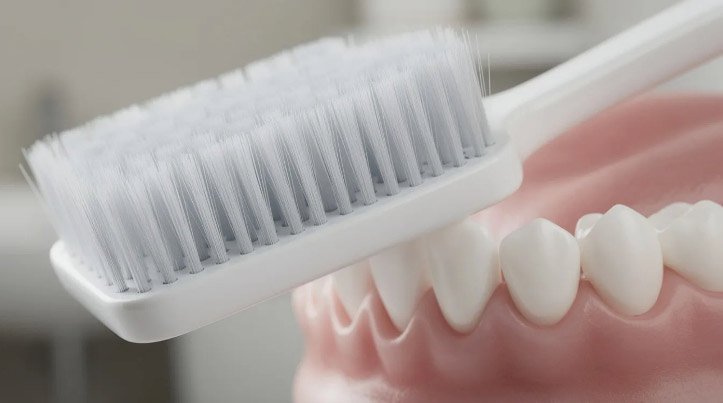
When Can You Start Brushing?
With Dr. Scott H Froum's approval (typically around week 2), you can resume normal brushing close to—but not directly over—the graft.
Proper technique matters:
Use an ultra-soft toothbrush
Apply light fingertip pressure only
Use small circular motions at a 45-degree angle toward the gum line
Move slowly and deliberately
Flossing in the graft area waits until Dr. Scott H Froum explicitly confirms tissue stability—often around weeks 3-4 or later. Continue any prescribed mouthwash and saltwater rinses to keep bacterial levels low while mechanical cleaning remains limited.
Diet Expansion and Activity Level
Week 2 opens up your food options:
Soft sandwiches without hard crusts
Soft rice
Tender chicken or fish
Well-cooked pasta
Steamed vegetables
Always chew away from the graft site. Hot or cold foods can be reintroduced gradually, but monitor for sensitivity.
Activity Guidelines:
| Activity Type | When to Resume |
|---|---|
| Desk/office work | Days 1–3 for most patients |
| Light walking | Days 3–5 |
| Heavy lifting | After day 7–10, with clearance |
| Running/cardio | Weeks 2–3, with clearance |
| Contact sports | Weeks 3–4, with clearance |
Strenuous activities raise blood pressure, which can provoke bleeding and delay healing. Get explicit approval from your periodontist before returning to intense workouts.
Critical reminder: Avoid alcohol and all nicotine products (cigarettes, vaping, nicotine gum) for at least two weeks. Smoking delays healing by approximately 50% through vasoconstriction and increases graft failure risk 2-4x.
Long-Term Healing: 1 Month to 6 Months After Gum Graft
Visible healing—no pain, normal eating—typically occurs by 4-6 weeks. But microscopic remodeling continues for months as fibroblasts proliferate and the extracellular matrix strengthens.
The graft gradually blends in color and texture with surrounding gums. Final aesthetics are often visible by 3-6 months, with 95% of patients reporting satisfaction at the 3-month mark.
Regular check-ups at approximately 1 month, 3 months, and then every 6 months help monitor graft stability and overall oral health. These visits catch any issues early and reinforce good habits.
Signs of Successful Long-Term Gum Graft Recovery
Positive indicators of complete healing include:
Color: Pink, matching surrounding gum tissue
Texture: Firm tissue that closely hugs the tooth
Coverage: Previously exposed root now protected
Bleeding: None when brushing gently
Sensitivity: Significantly reduced compared to pre-surgery (resolves in 80-90% of cases)
Stability: Gum line height remains constant compared to early post-op photos
Long-term success rates are excellent—recession coverage retention of 85-95% at 5 years with optimal care. Your grafted tissue can prevent root caries (risk drops 70%) and provide aesthetic benefits for years.
Habits That Protect Your Graft for Life
A successful recovery extends beyond the healing period. Protecting your investment requires permanent habit changes:
Daily care:
Use a soft or extra-soft toothbrush exclusively
Avoid aggressive “scrubbing” motions on the gum line
Floss daily or use interdental cleaners as recommended
Maintain consistent professional cleanings
Lifestyle factors:
Address bruxism (teeth grinding/clenching) with a nightguard—this prevents 30-50% of damaging force transmission to gums
Limit or eliminate tobacco permanently
Reduce heavy alcohol consumption
Manage systemic conditions like diabetes & uncontrolled immunocompromised diseases that impair healing
These habits reduce recession progression by up to 60% and keep both the grafted area and surrounding gums healthy.
Warning Signs and Possible Complications During Recovery
Serious problems are uncommon—overall complication rates run 2-3%. Most issues arise from poor compliance with post-operative instructions.
Mild tenderness, small color variations, and slight contour irregularities are usually normal and self-correcting. However, sharp increases in pain, excessive swelling, or excessive bleeding after an initial period of improvement warrant prompt evaluation.
Keep Dr. Froum's 24-hour contact information easily accessible throughout the first two weeks. When in doubt, call.
When to Call Your Periodontist Immediately
Contact your periodontist right away if you experience:
Bleeding concerns:
Continuous heavy bleeding that doesn’t slow after 20-30 minutes of gentle pressure with clean gauze or a damp tea bag
Signs of infection (1-3% incidence):
Pus discharge from the graft site
Foul odor or taste
Intense redness or heat in surrounding gums
Fever above 100.4°F (38°C)
Pain issues:
Severe pain not controlled by prescribed pain medication
Worsening pain after initial improvement
Persistent pain beyond expected timelines
Graft problems:
Visible detachment from the tooth
Tissue turning very dark or gray
Sudden loss of coverage over the tooth root
Graft failure occurs in less than 5% of cases when protocols are followed. Early intervention can often salvage a struggling graft.
Simple Steps to Reduce Risk of Complications
Preventing complications comes down to consistent adherence to fundamentals:
Follow all written post-operative instructions exactly—medications, rinse schedules, follow-up visits
Avoid mechanical trauma—no picking at sutures, no toothbrush contact on graft until cleared, slow and careful chewing
Stay completely smoke-free for at least two weeks before and after surgery to preserve blood flow to healing tissues
Support your body’s healing with adequate sleep (7-9 hours accelerates healing by 20%), hydration, and vitamin C rich foods along with protein (2.2g/kg/day recommended)
Your graft’s success depends on the choices you make during recovery. Every day of proper care compounds into better long-term results.
Curious about different types of gum grafts? Check out our gum graft before and after article.
Are you looking for a top-rated periodontist in NYC to help with your gum graft procedure? Contact Dr. Scott Froum today! He’s an award winning local periodontist with exceptional reviews and he specializes in helping people with gum grafting in Manhattan.
FAQ: Recovery for Gum Graft
These frequently asked questions address common concerns about daily life and expectations during gum graft healing that weren’t fully covered above.
How long does it usually take before I feel “normal” again after a gum graft?
Most patients feel comfortable enough for normal daily tasks within 3–5 days, though mild tenderness and tooth sensitivity can persist for 1–2 weeks. Full soft-tissue healing around the graft generally takes 4–6 weeks, with final maturation and color blending extending to 3–6 months. By the end of the first week, you should notice significant improvement in comfort level compared to days 1–3.
Can I go back to work the day after my gum graft?
Many people with desk or computer-based jobs return within 1–2 days, provided they can manage mild swelling and maintain a soft food diet throughout the workday. However, jobs requiring heavy lifting, bending, or intense physical effort typically require several extra days off. Discuss your specific work demands with your surgeon—they can provide personalized guidance based on your gum graft procedure and job requirements.
Is it normal for the graft to look whiter than the rest of my gums?
Yes, a whitish or pale appearance during the first week is common and usually reflects temporarily limited blood supply plus a normal healing layer of tissue. This is part of normal healing and not cause for alarm. However, if the area becomes extremely painful, produces a bad smell, or turns very dark or gray, contact your periodontist immediately for evaluation—these could indicate graft failure or infection.
When can I drink coffee or hot tea again after gum graft surgery?
Avoid very hot drinks for the first 48 hours to reduce bleeding and swelling risk. After that initial recovery phase, you can gradually reintroduce warm (not scalding) beverages. Hold liquids on the side away from the graft and sip slowly to avoid accidental burns or irritation to sensitive healing tissues. Most patients return to normal hot beverage consumption by the end of week 1, though temperature sensitivity may persist longer.
Will I need another gum graft in the future on the same tooth?
Many grafts are permanent when properly cared for—treating gum recession successfully the first time often provides lifelong coverage. However, future grafting may be needed if underlying causes aren’t corrected: aggressive brushing technique, smoking, additional orthodontic movement, teeth grinding, or untreated gum disease. The best protection for your graft—and the best way to prevent new recession—involves regular periodontal check-ups, excellent dental health habits, and addressing any risk factors your periodontist identifies. A smooth recovery now sets the foundation, but lifelong gum health requires ongoing commitment.
