
Loose Tooth From Bone Loss in NYC: Can a Periodontist Save It?
Key Takeaways
✓ A loose tooth isn't an automatic extraction: Tooth mobility indicates weakened support—from infection, bone loss, or bite trauma—but it does not automatically mean the tooth must be removed.
✓ Mobility is a symptom, not a diagnosis: Beyond advanced periodontitis, mobility can stem from clenching, grinding, root fractures, or excessive bite forces; accurate diagnosis must precede treatment decisions.
✓ Support can often be restored: Controlling active bacterial infection, managing bite pressure, and using splinting can stabilize mobile teeth, while bone grafts and growth factors can regenerate lost support in suitable bone defects.
✓Proactive evaluation expands options: Periodontal disease often progresses without pain. Seeking early treatment or a second opinion before extracting a tooth labeled "hopeless" can uncover preservation options that preserve your natural tooth.
✓ Preservation-focused care: Lasting outcomes rely on comprehensive specialist evaluation—combining deep infection control, force management, and regenerative therapies tailored to the specific pattern of bone loss.
Noticing that an adult tooth feels loose can be alarming, especially if a dentist has already mentioned bone loss or possible extraction. A loose permanent tooth is not something to ignore, but it also does not automatically mean the tooth has to be removed.
In many cases, tooth mobility is a sign that the tissues supporting the tooth have been weakened by periodontal disease, infection, bite forces, or a combination of factors. The key is to determine why the tooth is moving, how much healthy support remains, and whether the underlying problem can be controlled.
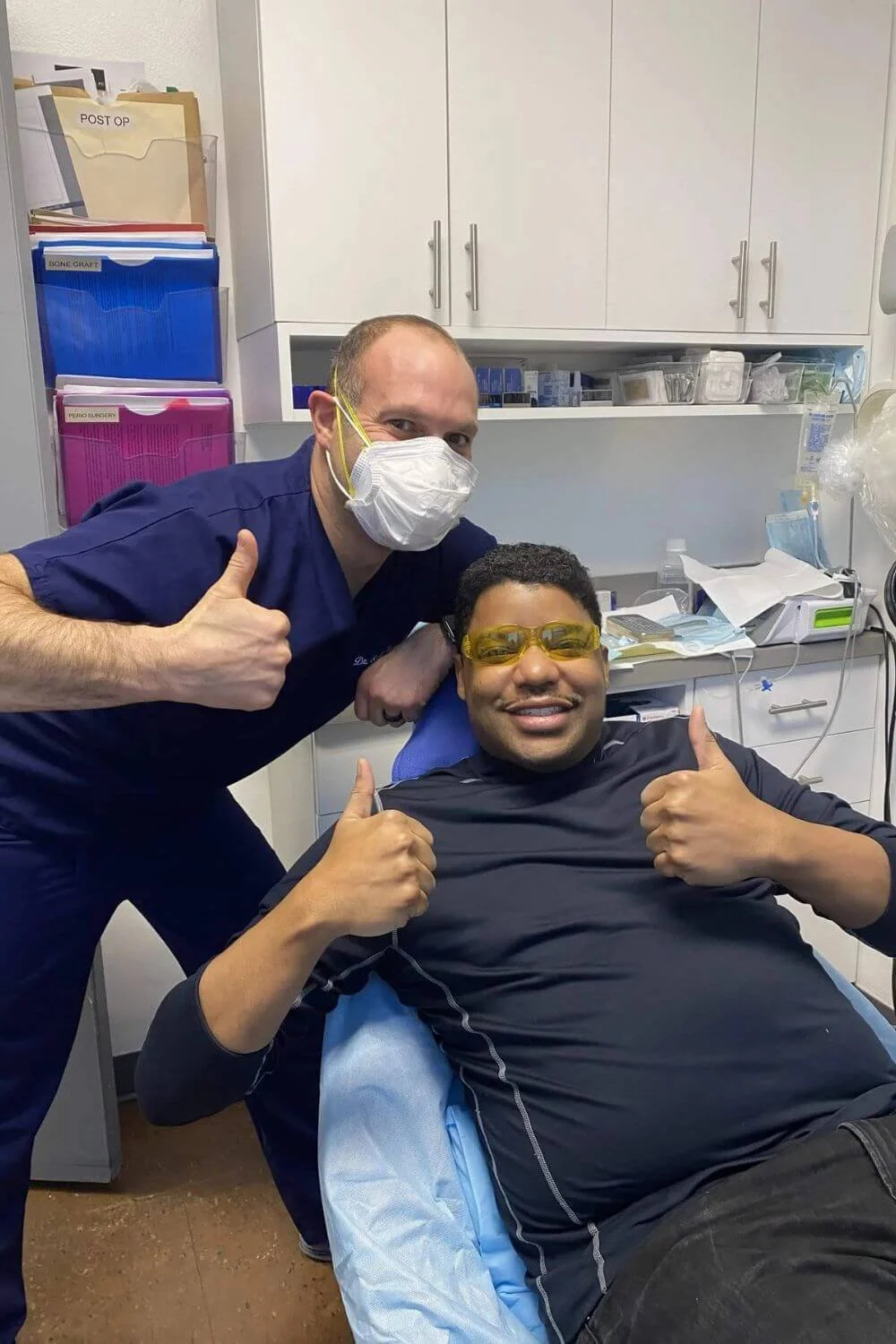
At Dr. Scott Froum’s Midtown Manhattan periodontal practice, patients often seek a second opinion when a tooth has become unstable or has been described as having a poor prognosis. A periodontal evaluation can help determine whether saving the natural tooth is still a reasonable goal.
Why Does Bone Loss Make a Tooth Feel Loose?
A healthy tooth is held in place by bone, gum tissue, and the periodontal ligament, a network of fibers that connects the tooth root to the surrounding bone. When periodontal disease progresses, inflammation can damage these supporting structures.
The National Institute of Dental and Craniofacial Research explains that advanced gum disease can destroy the bone supporting the teeth, which may lead to looseness, shifting, pain while chewing, and eventual tooth loss. The American Academy of Periodontology also lists loose or separating teeth as a warning sign of periodontal disease.
Bone loss can develop gradually, so some patients do not realize how much support has been lost until a tooth moves. Other warning signs include bleeding gums, gum recession, persistent bad breath, tenderness, bite changes, or new spaces between teeth.
A Loose Tooth Is a Symptom, Not a Diagnosis
Periodontal bone loss is a common cause of tooth mobility, but it is not the only one. A tooth may also feel loose because of excessive bite pressure, clenching or grinding, trauma, infection around the root, a cracked or fractured root, or a combination of periodontal and restorative problems.
Treatment should begin with diagnosis rather than assuming extraction is the only solution. A periodontist evaluates the gums and bone supporting the teeth. The examination may include periodontal pocket measurements, bleeding and inflammation checks, bite evaluation, mobility testing, and dental imaging to determine how much bone remains around the root.
Can a Loose Tooth From Bone Loss Be Saved?
Sometimes, yes. Whether a loose tooth can be saved depends on the severity and pattern of bone loss, the amount of healthy tooth structure remaining, the presence of active infection, the condition of the root, and the forces placed on the tooth during chewing.
Teeth with some mobility may become more stable when inflammation is controlled and the supporting tissues are treated. Even certain teeth with advanced periodontal damage can have treatment options when enough healthy structure remains and the bone defect is suitable for regenerative therapy.
Dr. Froum’s saving natural teeth treatment is built around this preservation-focused approach. The goal is to identify and treat the cause of instability, rebuild support when possible, and preserve a natural tooth when doing so offers a reasonable long-term outlook.
Not every loose tooth can or should be saved. Severe root damage, uncontrolled infection, extensive decay, certain fractures, or insufficient remaining bone may make extraction the safer choice. A careful evaluation helps distinguish a tooth that is difficult to save from one that is truly non-restorable.
How a Periodontist May Treat a Loose Tooth
Treatment depends on what is causing the mobility. There is no single procedure that is appropriate for every patient.
Control Periodontal Infection
If gum disease is driving the bone loss, the first priority is controlling bacterial infection and inflammation. Depending on disease severity, care may include scaling and root planing, periodontal maintenance, localized therapies, laser-assisted periodontal treatment, or surgical treatment to reach deeper areas around the roots.
Dr. Froum’s guide to the stages of periodontal disease explains how treatment needs can change as bone and tissue damage become more advanced.
Reduce Excessive Movement
In selected cases, a mobile tooth may be splinted to neighboring teeth. Splinting can reduce movement during chewing and allow treated periodontal tissues to function in a more stable environment. It does not replace treatment for infection or bone loss, but it can be one part of a broader periodontal plan.
Regenerate Lost Support When Appropriate
Certain types of bone defects may respond to regenerative periodontal treatment. Depending on the case, treatment can involve bone grafting materials, membranes, biologic growth factors, or other techniques intended to support healing and rebuild lost periodontal support.
The shape and location of the bone loss matter. Regeneration is more predictable in some defects than others, which is one reason a specialist evaluation is important before deciding whether a tooth is salvageable.
Manage Bite Forces
A loose tooth may be under excessive pressure from the bite, especially when surrounding bone support has already been reduced. Adjusting harmful forces, addressing clenching or grinding, and coordinating restorative or orthodontic care when appropriate may help protect the tooth during treatment and maintenance.
Why Early Evaluation Matters
A tooth that has just started to move may have more treatment options than one that has been mobile for a long time with ongoing infection and progressive bone loss.
Periodontal disease can advance with limited discomfort. Waiting for significant pain is not a reliable way to judge severity. If you notice new tooth movement, shifting, bleeding gums, recession, swelling, or a change in your bite, a periodontal examination can clarify what is happening before more support is lost.
For patients interested in preserving natural teeth, Dr. Froum also explains the factors that can make saving your own teeth possible, including early intervention, disease control, stabilization, and regenerative treatment when appropriate.
When Should You Get a Second Opinion Before Extraction?
A second opinion can be especially useful when a tooth has been recommended for extraction primarily because of periodontal bone loss or mobility and you want to understand whether preservation is still an option.
the tooth is loose but not fractured;
you have been told there is bone loss around the tooth;
the tooth has been labeled “hopeless” without a discussion of regenerative options;
you have a history of gum disease and want to understand the long-term prognosis; or
you would prefer to keep the natural tooth if treatment is clinically reasonable.
A second opinion does not mean extraction is always avoidable. It provides more information about the condition of the supporting bone and gums, the likely benefits and limitations of treatment, and the alternatives if the tooth cannot be predictably maintained.
Frequently Asked Questions About Loose Teeth and Bone Loss
-
A loose tooth may become more stable when the underlying cause is treated. If mobility is related to inflammation, periodontal infection, or excessive bite forces, treatment may improve stability. The result depends on the amount of remaining bone, the health of the root and surrounding tissues, and whether the cause can be controlled.
-
No. Bone loss alone does not automatically determine whether a tooth needs to be removed. The pattern and severity of the defect, tooth structure, infection, mobility, bite forces, and overall prognosis all matter. Some teeth with bone loss can be treated and maintained, while others may not have enough support for predictable long-term function.
-
In selected periodontal defects, regenerative treatment may help rebuild some lost bone and supporting tissue. The potential for regeneration depends on the anatomy of the defect, disease control, patient health factors, and the tooth’s overall condition. A periodontal examination and imaging are needed to determine whether regeneration is a realistic option.
-
New mobility in an adult tooth should be evaluated promptly, especially when it is accompanied by bleeding, swelling, gum recession, pain when chewing, or known bone loss. Earlier diagnosis may preserve more treatment options and help limit additional damage.
